Review Of Luminar For Wildlife Photography
As a wildlife photographer, trying to find the best image editing software that is both affordable and able to add creative justice to your photographs can be quite a daunting task. There are just too many different options available nowadays and so to help in your search i would like to talk a little bit about the one i'm currently using.
After spending so many hours or even days on a wildlife safari photographing the natural world, you eagerly can't wait to come back and start working on your photographs to share them with your friends and social media followers. After narrowing down your selections, you want to use image editor that is easy understand, simple to operate, and responds to every adjustment you make with creative results.
 |
| Elephants converted to black and white and edited with Luminar |
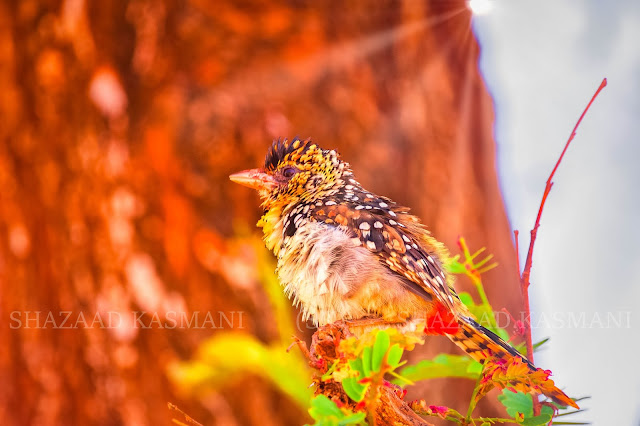 |
| Bird Edited and colour enhanced using Luminar AI filter |
 |
| Zebra edited using luminar golden hour slider |
 |
| Lion edited using luminar |
Above are a couple of my wildlife photos that have been adjusted using the photo editing software called Luminar . So far i am quite impressed with what this editor can do. It is affordable to purchase, quick to download and most importantly, is a time saver as all photo adjustments are made effectively using sliders. The program also comes with image filters and Looks which are similar to inbuilt presets that help with the final touches for those amazing photo results you are looking for.
It uses AI technology to analyze your photo and automatically adjusts the colours, depth and tones making those important parts of your photograph the center of attention.
The other thing that impressed me about the software is the Sky and Foliage enhancement sliders. What we see with our naked eyes tends to be completely different from what the camera sees and this affects the photographs that we take. The Sky and Foliage enhancers really bring back all the natural colours and lighting which were lost in the camera.
You can try Luminar in this link for your next wildlife photo or landscape edits and get $10 OFF upon check-out by using the special discount code KENYAWILDLIFE
Watch Wildlife Videos on YouTube: https://goo.gl/Ty3Qrb
Buy Wildlife Photography Gear:
Get your Wildlife Photography Shirt:
Book a Wildlife Safari:
#Luminar3 #AururaHDR #Skylum #Madewithluminar
Comments
Post a Comment