BIOGRAPHY:- SHAZAAD KASMANI
(Shazaad Kasmani of Wild Kenya Safaris is a well reputed Wildlife & Underwater cameraman based in Kenya. " I'm passionate about photographing and filming our natural world, conservation, telling bush stories, exploring the ocean depths and am proud to share the incredible beauty of my country Kenya!" )
I adore being in the wilderness and i'm very passionate about wildlife and marinelife. I love displaying their unique behavior, their natural habitat and the fascinating life they live. Unlike other cameramen who specialize in either Marine or Terrestrial Wildlife only, I'm quite the all rounder as i adore documenting and sharing our entire natural history as a whole ~ Land, Air and Ocean !
My photographs have been published in National Geographic magazine and commended in various photography competitions. My fondness for wildlife photography naturally inclines me to write and publish for various newspapers, international magazines and conservation organizations.
Being constantly in the wilderness, i have developed a sixth sense when it comes to animal behavior and have also offered my expertise to international wildlife documentary filmmakers and researchers. I have been following the life of five different lion prides in the Tsavo East Ecosystem for about seven years so naturally am a huge fan of Big Cats! My core areas of expertise include: Tsavo East & West National Parks, Shimba Hills National Reserve, Taita, Lumo & Ngutuni Sanctuaries, Mombasa Marine Park and Kisite Mpunguti Marine Reserve.
My proudest achievement was when i was appointed by the Kenya Wildlife Service as an Honorary Game Warden after years of dedication to saving distressed and injured wildlife, combating bush meat poachers as well as educating the general public on our country's wildlife heritage.
I am affiliated with Kenya Coast Tourist Association on the Conservation and Regulation Committee, The Shimba Support Group as the former Chairman, a contributor to SWARA Magazine of the East African Wildlife Society and recognized by Nikon as a Wildlife & Underwater Nikon Star.
Born, raised and living in Kenya, i love sharing natural history stories with anyone keen to listen to them!
I can sit for hours talking wildlife in the wilderness. I have also consulted for wildlife documentary filmmakers such as:
- Green Heart Films, for the series "Blue In Focus"
- Silverback Films, for the BBC 1 & BBC Worldwide series "The Hunt"
Other affiliations i am involved with:
Wild Kenya Safaris - www.wildkenyasafaris.com
Kenya Wildlife Service - Honorary Game Warden.
Shimba Support Group - Past Chairman.
East African Wildlife Society - Contributing Writer & Photographer.
Coastweek Newspapers - Wildlife Photo Journalist
Kenya Coast Tourist Association - Conservation & Regulation Committee.
Dive Operators Association Of Kenya - Past Executive Member.
You can stay up to date by following these social media handles:
www.facebook.com/shazaadkasmaniwildlifecameraman
www.youtube.com/shazaadkasmani
www.instagram.com/shazaadkasmani
Kenya Coast Tourist Association - Conservation & Regulation Committee.
You can stay up to date by following these social media handles:
www.facebook.com/shazaadkasmaniwildlifecameraman
www.youtube.com/shazaadkasmani
www.instagram.com/shazaadkasmani

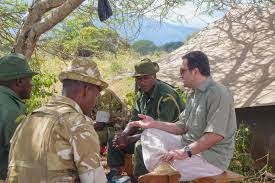 |
| Shazaad with the Anti Poaching Unit in Tsavo |
 |
| Shazaad's book. "Snorkelling and Fish Watching in Kenya & the East African Coast." 1st ed., November 2005 |
Comments
Post a Comment